5 steps to low cortisol aim in Valorant from Rawzu
You can order the same kind of articles for your own video to boost it on YouTube and Google. Just message the Telegram bot @sat_sit_bot. The bot writes and publishes the articles itself (with your YouTube video embedded) on popular topical websites (no ads). Free trial — 50 articles.
· based on the channel Rawzu
Key takeaways
- Rawzu runs 400 DPI at 0.625 in-game sensitivity on a 1440x1080 stretched resolution.
- Crosshair code settings: 1-6-2-2, paired with a Logitech G Pro X Superlight 2 and an Artisan Zero Soft pad.
- Display: Zowie XL2566K at 360 Hz — high refresh rate keeps visual feedback tight during aim resets.
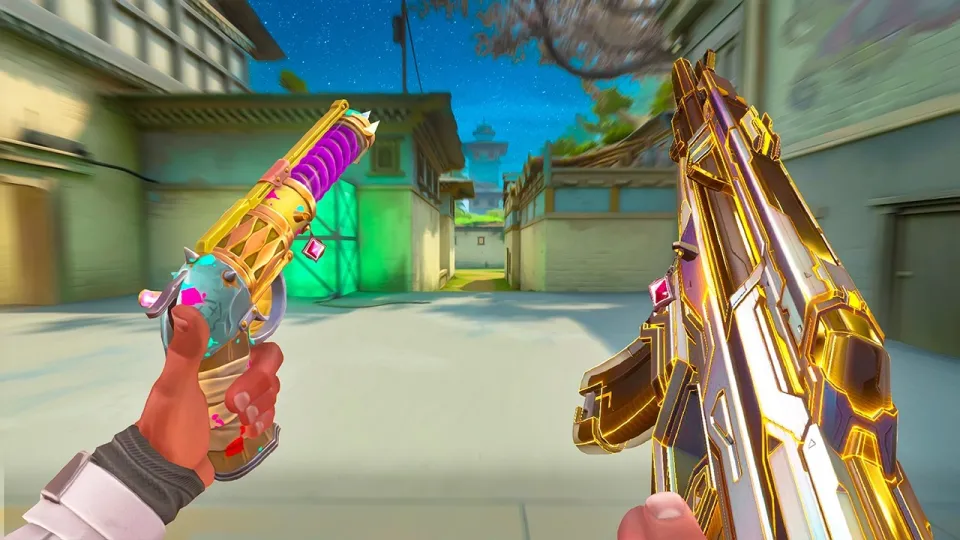
- Phoenix is the featured agent: Blaze walls, Curveball flashes, Hot Hands and Run It Back reward aggressive duels.
- The clip is built around calm aim and satisfying, ASMR-style edits rather than highlight-reel flicking.
Valorant aim is mostly a nervous-system problem, not a mouse problem. The "low cortisol aim" idea popularized by Rawzu's Phoenix montage is simple: lower your stress level before and during the fight, and your crosshair placement stops collapsing under pressure. You can start by optimizing your PC for Valorant with Hone's optimization tool, because stutter and frame drops are a direct shot of cortisol mid-duel.
What low cortisol aim actually means in Valorant
Low cortisol aim is the practice of removing panic from your mechanics so that your first shot looks the same in a 1v1 clutch as it does in the practice range. Cortisol is the stress hormone tied to the fight-or-flight response; in Valorant terms, it shows up as over-flicking, tense grip, spamming crouch and spraying when a two-tap was available. Rawzu's edit leans into this deliberately — the title, the calm pacing and the ASMR-style audio all sell the same message: the aim should look boring to you and terrifying to the enemy.
This is not a new sensitivity religion. It is a checklist of habits: stable frames, a repeatable crosshair, pre-aimed angles, and a physical reset between duels. The montage format works because it shows the output — smooth tracking, clean one-taps, no wasted movement — without the noise of a coaching lecture.
Step 1 — Lock the settings Rawzu actually uses
Rawzu's setup is a fixed reference point, and copying it is the fastest way to remove variables. The published numbers are 400 DPI with 0.625 in-game sensitivity, a 1440x1080 resolution, and the crosshair values 1-6-2-2. Hardware: Logitech G Pro X Superlight 2 mouse, Artisan Zero Soft mousepad, Zowie XL2566K monitor at 360 Hz.
What matters is not that these exact numbers are magic, but that each one reduces friction:
- Low DPI plus low in-game sens gives a wide, controllable arc for micro-adjustments on heads.
- 1440x1080 stretched widens player models slightly, which helps consistency on long angles.
- A small, static crosshair (1-6-2-2) keeps the center of the screen unambiguous.
- 360 Hz shortens the delay between your hand moving and your eyes confirming it.
- A control pad like the Artisan Zero Soft adds stopping power, which is exactly what calm aim needs.
Pick these values, then leave them alone for at least two weeks. Constant sensitivity swapping is itself a stress source.
Step 2 — Build a pre-fight routine that lowers tension
The fight is won in the two seconds before contact, so give yourself a physical reset ritual. Before peeking, exhale, loosen your grip on the mouse, and confirm your crosshair is at head height on the edge of the wall you are about to clear. Rawzu's Phoenix gameplay shows the pattern clearly: the wall goes up, the flash comes out, and only then does the duel start — the agent's kit is a built-in pacing tool.
A practical routine for each round:
- Unclench your jaw and mouse hand during buy phase.
- Say the angle you are holding out loud once, quietly.
- Move with A/D strafes, stop, then shoot — never shoot while drifting.
- After a kill, re-center the crosshair before the next peek.
- After a death, take one full breath before spectating.
These sound trivial, but they are the difference between a 30-bullet panic spray and two clean taps.
Step 3 — Use Phoenix as a calm-aim training agent
Phoenix is an offensive duelist who hunts enemies and cripples their ability to shoot back, which makes him ideal for practicing low cortisol aim. Blaze creates a vision-blocking wall that also damages anyone walking through it, letting you cross open ground without exposing yourself to three angles at once. Curveball blinds enemies even behind corners, so you control when the duel begins rather than reacting to it. Hot Hands gives self-healing and area denial, and Run It Back lets you take a risky first contact and come back if it goes wrong.
The lesson is that Phoenix's kit removes reasons to panic: you have a flash to start the fight, a wall to deny information, and an ultimate that forgives one bad entry. Players who like aggressive, confident duels get the most out of him, and the agent quietly teaches you to take fights on your terms.
Step 4 — Fix the technical causes of shaky aim
Aim that falls apart mid-fight is often a hardware or software problem wearing a psychology costume. Frame drops, mouse acceleration, a dirty sensor pad and an unstable connection all produce the same symptom: your crosshair arrives late and your correction overshoots. Hone's optimization service, linked as the official partner page from the video, is aimed at exactly this — trimming background processes and tuning Windows so Valorant holds a stable frame rate.
Checklist before you blame your nerves:
- Cap and stabilize FPS so frame times are flat, not just high on average.
- Disable mouse acceleration in Windows and confirm raw input in-game.
- Clean the mousepad — a control pad loses its stopping power when it is greasy.
- Use a wired or well-charged wireless connection; the Superlight 2 is fine, a dying battery is not.
- Keep the monitor at its native refresh, 360 Hz on the XL2566K, with the correct cable.
Step 5 — Train reset speed, not flick speed
Most aim routines train the wrong thing: they reward a fast flick and ignore what happens after it. Low cortisol aim is about the reset — how quickly your hand returns to neutral and your crosshair returns to head level. Spend ten minutes in the range on slow, deliberate one-taps at bots, then five minutes on strafe-stop-shoot against moving targets, and finish with a Deathmatch where you are not allowed to spray.
A useful rule: if you miss, do not chase the correction with a second flick. Stop, re-place, and shoot again. That single rule removes more panic from your aim than any sensitivity change.
Common questions from viewers of the clip
Viewers of Rawzu's montage keep circling the same points, and they are worth answering directly. The most common is disbelief at how fast opponents appear in the clip — the answer is usually pre-aim and information, not reaction time: the crosshair is already where the enemy will step. A second recurring theme is the audio, with several people noting they were watching at high volume when an unexpected sound hit; the ASMR-style edit is part of the format, not a tutorial. A third is the movement, which viewers consistently rate above the aim itself — strafing, stopping and peeking in rhythm is what makes the shots look effortless. And a fourth is the settings request: after every clip like this, people ask for a full settings video, which is why the published DPI, sensitivity, resolution and crosshair values above are the most useful thing to copy.
Useful links from the video
- Optimize your PC for Valorant with Hone — the partner page promoted in the clip.
- Rawzu's original music on Spotify — the artist profile behind the soundtrack.
- Rawzu's Discord community — the server linked in the description.
Final takeaway
Low cortisol aim in Valorant is a stack of small, boring decisions: a fixed 400 DPI / 0.625 setup, a 1-6-2-2 crosshair, a stretched 1440x1080 image, stable frames, and a breathing reset before every peek. Rawzu's Phoenix montage is a good demonstration because the agent's flash, wall and ultimate let you choose when the duel starts instead of surviving it. Copy the settings once, then spend your practice time on resets and pre-aim rather than on sensitivity roulette. If stutter is part of your problem, start with Hone's Valorant optimization page before changing anything else. The channel Rawzu is the author of this breakdown's source material, and the calm, satisfying edit is the point rather than a side effect.
Questions & answers
What sensitivity and DPI does Rawzu use in Valorant?
Rawzu lists 400 DPI with 0.625 in-game sensitivity, a 1440x1080 resolution and the crosshair values 1-6-2-2. The mouse is a Logitech G Pro X Superlight 2 on an Artisan Zero Soft pad, with a Zowie XL2566K at 360 Hz. Copy the values once and keep them stable for a few weeks.
What does low cortisol aim mean?
It describes aim built on calm mechanics rather than panic: relaxed grip, pre-aimed angles, strafe-stop-shoot discipline and a physical reset between duels. The goal is that your first shot looks identical in a clutch and in the practice range. Stress symptoms like over-flicking and spraying are what the approach tries to remove.
Why does the aim in the clip look so fast?
Most of what looks like reaction speed is information and crosshair placement — the crosshair is already on the angle the enemy steps into. Phoenix's Curveball and Blaze let the player start the duel on their own terms, which removes the need to react late. Movement rhythm does the rest.
Does PC optimization really help with aim consistency?
Yes, because frame drops and stutter create uneven feedback between your hand and the screen, which shows up as overshooting and late corrections. A stable frame rate and clean input path make your mechanics repeatable. The video links an optimization page for exactly that purpose.
Source: low cortisol aim.. · Markdown version